
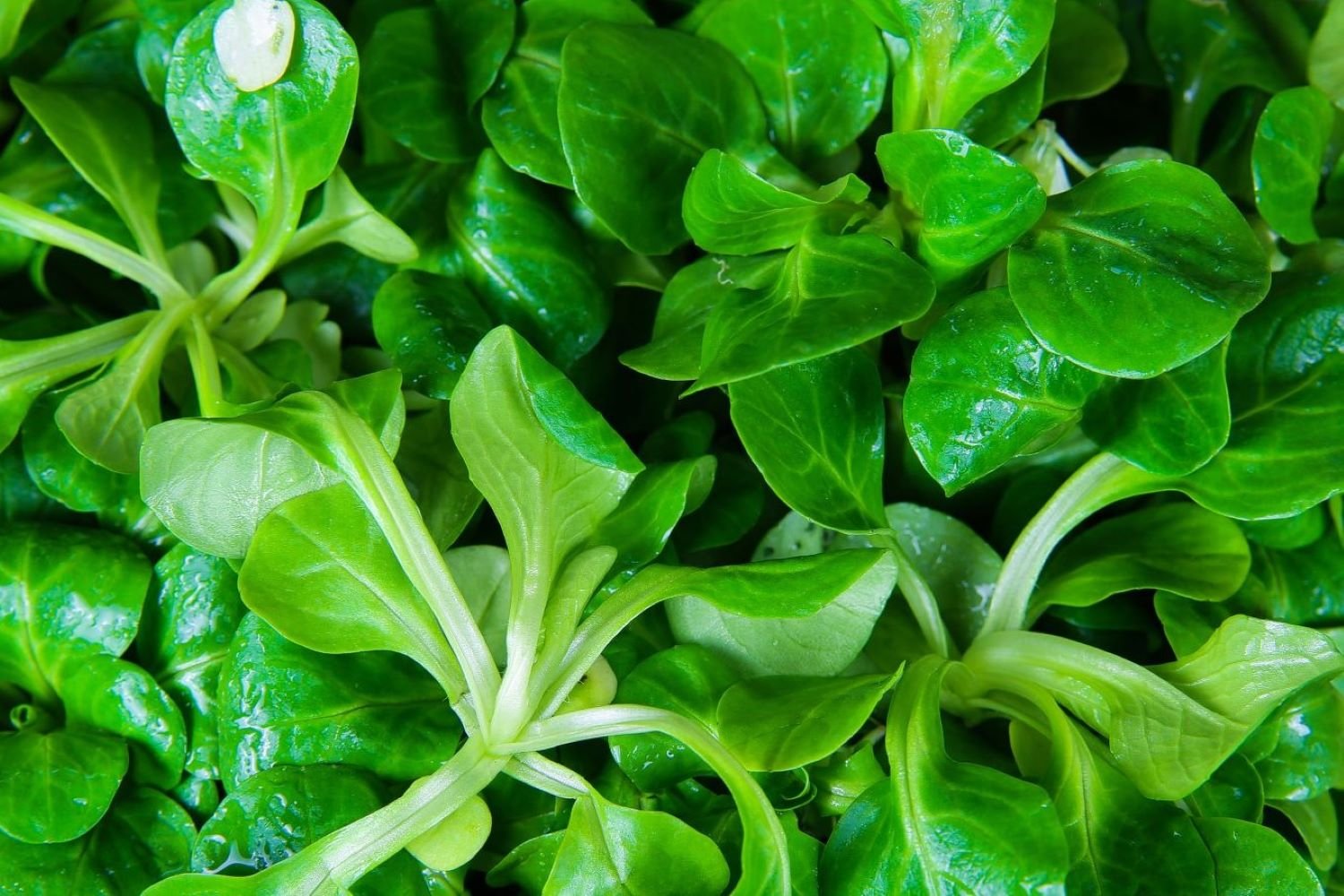
Let’s be honest for a second. When most of us think about salad greens, our brains default to the usual suspects: romaine, iceberg, maybe a bit of spinach if we are feeling healthy. But there is a whole world of leafy greens out there waiting to be discovered, and tucked away in that world is a little plant that looks like a rosette of delicate green tongues. This is lambs lettuce. It also goes by the charming names of mâche or corn salad, but no matter what you call it, this cool-weather crop is a total game-changer for your dinner plate.
Unlike the crunchy, watery crunch of iceberg, lambs lettuce offers something entirely different: a tender, buttery texture and a distinct, nutty flavor that you just don’t get from other greens. It feels fancy—the kind of thing you might see on a menu at a chic Parisian bistro—but the truth is, it is incredibly easy to love and even easier to prepare. For years, this green has been a staple in European kitchens, particularly in France and Italy, yet it often flies under the radar here. It is time to change that.
The Many Names and Rich History of a Humble Green
You might hear people call it by its scientific name, Valerianella locusta, but that is a bit of a mouthful for the grocery store. The history of lambs lettuce is actually quite humble; it wasn’t always a delicacy. In fact, back in the day, it was often considered a bit of a weed. It would pop up naturally in grainfields across southern Europe, hence the nickname “corn salad,” because it grew where corn (or grain) was planted.
The name “lambs lettuce” doesn’t come from what you eat it with, but rather from the shape of the leaves. If you look closely at the individual leaves, they have a soft, rounded, tongue-like shape that apparently reminded someone of a lamb’s ear. It’s a fitting name for a green that is so gentle in flavor. While it was once a foraged weed, farmers quickly realized that this plant was not only delicious but also incredibly hardy.
Unlike standard lettuce that wilts at the first hint of frost, lambs lettuce laughs in the face of cold weather. This resilience is part of what makes it so special historically. Before the era of industrial agriculture and shipping vegetables from the equator, winter eating was pretty bleak. Lambs lettuce was one of the few fresh, green things you could actually eat in the dead of winter, providing essential vitamins when the body needed them most.
Why Lambs Lettuce Blows Regular Lettuce Out of the Water
When you swap out your standard bagged salad for a bed of lambs lettuce, you aren’t just upgrading the texture; you are giving your body a serious nutritional boost. A lot of people assume that all lettuce is basically just crunchy water, but that is far from the truth. Lambs lettuce is actually a nutrient powerhouse, packing far more punch than its pale cousins.
One of the standout features of this green is its high concentration of beta-carotene. Your body converts beta-carotene into vitamin A, which is essential for keeping your skin healthy, your immune system fighting fit, and your eyesight sharp. It is also a fantastic source of Vitamin B9, better known as folate. This is particularly crucial for pregnant women as it supports fetal development, but really, everyone needs folate for healthy cell renewal.
But wait, there is more. While many greens leave you deficient in certain minerals, lambs lettuce brings a lot to the table. It contains respectable amounts of iron (great for energy), potassium (good for blood pressure and muscles), and even calcium. Compared to the ubiquitous iceberg lettuce, which has very little nutritional density, mâche offers a significant source of Vitamins A and C.
Growing Your Own Little Rosettes of Green
If you have a patch of soil or even just a pot on a balcony, you owe it to yourself to try growing lambs lettuce. It is arguably one of the easiest salad greens to grow, mainly because it loves the cold. Most gardeners pack it in when the temperature drops, but this is the time when lambs lettuce enters its prime. In fact, it hates the heat. When summer temperatures soar above seventy degrees Fahrenheit, the seeds won’t even germinate.
You want to sow the seeds in late summer or early autumn. Because they are so cold-tolerant, they will happily sit in your garden all winter long, providing you with fresh greens when everything else is dormant. Just scatter the seeds about a quarter-inch deep in rich, well-drained soil. You don’t need to be too precious about spacing them out—you can always thin them later, and the thinnings are delicious, by the way.
Water them consistently, but don’t drown them. In about two to three weeks, you will start to see the little rosettes forming. One of the best gardening hacks for lambs lettuce is succession planting. If you sow a new batch every two to three weeks, you will have a continuous, never-ending supply of tender leaves all the way through spring.
How to Pick the Perfect Bunch at the Store
If digging in the dirt isn’t your thing, you can usually find lambs lettuce in better grocery stores or farmers’ markets, especially during the fall and winter months. Because the leaves are so tender and delicate, they require a bit of gentle handling. When you are shopping, look for leaves that are vibrant green, perky, and dry.
Avoid any bags or boxes where the leaves look slimy, wet, or yellowed. Sliminess is the kiss of death for lambs lettuce—it means it has turned a corner and won’t taste good. The beauty of this green is its tenderness, but that is also its weakness; those soft leaves bruise easily and don’t last as long as hardy kale. Plan on eating it within a day or two of buying it for the best experience.
Once you get it home, don’t cram it in the back of the fridge. Store it loose in the crisper drawer, perhaps wrapped loosely in a paper towel to absorb excess moisture. Whatever you do, do not wash it until you are ready to eat it. Any extra water on those delicate leaves will accelerate rot.
The Secret to Washing Lambs Lettuce
Washing greens can be annoying, but with lambs lettuce, there is a trick to it. Because it grows so low to the ground in those rosette shapes, it tends to trap a bit of sand and grit right at the base of the stems. If you just run it under the tap, you are likely to end up with a gritty bite.
The best method is the “float and lift.” Fill a large bowl or your clean sink with cold water. Dump the leaves in and swish them around gently. Let them sit for a minute. The dirt will sink to the bottom, while the leaves will float at the top. Use your hands or a slotted spoon to lift the leaves out of the water, leaving the grit behind. Do not just pour them into a colander, or you will dump the dirt right back on top of them.
Once you have lifted them out, spin them dry in a salad spinner. A salad spinner is non-negotiable here. Wet lambs lettuce will dilute your dressing and turn your salad into a soggy soup. You want the leaves dry so the vinaigrette clings to them.
Culinary Uses: More Than Just a Side Salad
Because the leaves are so small and delicate, lambs lettuce doesn’t usually need to be chopped or torn. It is perfect served whole. The most classic preparation is the simplest: a handful of these greens, tossed in a simple vinaigrette. The nutty, sweet flavor of the leaves is a perfect match for sharp, acidic dressings.
While it is incredible raw, did you know you can actually cook lambs lettuce? It is true. Unlike the sad, wilted mess that cooked iceberg becomes, mâche holds up just enough to be gently sautéed or wilted. Because of its high water content and delicate nature, it cooks down significantly, but the flavor remains sweet and nutty. You can toss a handful into a stir-fry at the very last second, or use it as a bed for a warm poached egg so it wilts slightly.
It also acts as a brilliant counterpoint to rich, fatty ingredients. The lightness of the green cuts through heavy flavors beautifully. Think about pairing it with crispy bacon, chunks of blue cheese, or toasted walnuts. The texture combination is divine. You can even use it as a bed for warm roasted vegetables or grilled chicken.
A Classic French Salad Pairing
If you want to feel like you are sitting in a cafe in Paris, there is one classic combination you have to try: Lambs lettuce with beets and goat cheese. The earthiness of the roasted beets, the creamy tang of the goat cheese, and the nutty sweetness of the mâche are a match made in heaven.
To make the dressing, you want something light yet punchy. A simple shallot vinaigrette works best. Finely mince a small shallot, whisk it with a tablespoon of Dijon mustard, two tablespoons of red wine vinegar, and then slowly drizzle in about six tablespoons of good olive oil while whisking. Season it with salt and pepper.
Toss the clean, dry lambs lettuce in just enough dressing to coat the leaves—you aren’t drowning them. Plate the greens, scatter over chunks of roasted red beets, and crumble a soft, fresh goat cheese on top. Finish with a crack of black pepper and maybe a sprinkle of chives. It looks stunning and tastes even better.
Recipe: Warm Lambs Lettuce with Bacon and Eggs
Sometimes you just need a hearty salad that feels like a meal. This warm bacon dressing is a classic way to serve hardy greens, but swapping spinach for lambs lettuce takes it to another level.
Ingredients:
- Four handfuls of fresh lambs lettuce
- Four slices of thick-cut bacon, diced
- Two hard-boiled eggs, sliced or quartered
- One shallot, minced
- Two tablespoons of apple cider vinegar
- One teaspoon of whole-grain mustard
- Salt and pepper
Instructions:
First, wash and dry your greens thoroughly and place them in a large heat-proof bowl. In a skillet over medium heat, cook the diced bacon until crispy. Remove the bacon with a slotted spoon and set it on a paper towel, leaving the drippings in the pan. Turn the heat to low. Add the minced shallot to the bacon fat and cook for about one minute until soft. Whisk in the mustard and apple cider vinegar, scraping up any brown bits from the bottom of the pan. Pour the hot dressing directly over the lambs lettuce. The heat will gently wilt the edges of the leaves. Toss quickly to coat, then top with the crispy bacon and the hard-boiled eggs. Serve immediately.
Recipe: Crab and Orange Salad
For something a little lighter and fancier—perfect for a starter or a ladies’ lunch—this combination of seafood and citrus is unreal. The sweet crab meat plays beautifully with the tart orange and the nutty greens.
Ingredients:
- Two hundred grams (about four handfuls) lambs lettuce
- One hundred fifty grams fresh crab meat (or imitation if you must, but real is better)
- One ripe avocado, diced
- One mango, diced (optional, but adds sweetness)
- One orange (you will use the juice and segments)
- One teaspoon Dijon mustard
- One tablespoon balsamic vinegar
- Three tablespoons olive oil
Instructions:
Start by segmenting the orange. Cut off the peel and pith, then cut between the membranes to release the pure segments. Squeeze the juice from the leftover membrane into a small bowl. To the orange juice, add the mustard, balsamic vinegar, and olive oil. Whisk to emulsify. In a large bowl, combine the lambs lettuce, avocado, mango, and orange segments. Add the crab meat on top. Drizzle the dressing over the salad and toss very gently. You don’t want to break up the crab or mash the avocado. Serve immediately on chilled plates.
Troubleshooting: Why is my plant flowering?
If you are growing your own, you might eventually run into a problem where your beautiful rosettes suddenly shoot up a tall stalk and start flowering. This is called “bolting.” In the world of leafy greens, bolting is the enemy of flavor. When the plant bolts, it puts all its energy into making seeds and flowers, and the leaves become bitter and tough.
Lambs lettuce bolts when the weather gets warm and the days get long. Once the soil temperature rises consistently, the plant thinks, “It’s spring, I need to reproduce!” At this point, the greens are no longer enjoyable to eat. The best defense is timing. Grow your lambs lettuce as a winter or very early spring crop. If you want to try a summer crop, you need to provide shade cloth and keep the soil very cool, but generally, it is best to let it go and pull the plants once they bolt. Compost them and try again in September.
Pairing with Other Greens
Lambs lettuce is wonderful on its own, but it is also a fantastic team player. Because it is so soft and tender, mixing it with crunchier or spicier greens creates a perfect salad texture. Try mixing it with arugula. The peppery kick of arugula is a wonderful contrast to the sweet nuttiness of the mâche.
You can also add some radicchio for color and bitterness, or some frisée for crunch. The dark green rosettes look beautiful against the red of radicchio. If you are making a big salad for a crowd, mixing your lambs lettuce with a heartier green like chopped romaine will help the salad stand up to heavy toppings without becoming a wilted mess immediately.
The Global Love for Corn Salad
While it is often associated with French cuisine (where it is called “mâche”), the love for lambs lettuce spreads across the globe. In Germany, it is known as “Feldsalat,” or field salad, and is often served with roasted bacon and potatoes or topped with pumpkin seed oil. In Italy, it is a common ingredient in “insalata mista,” the mixed salad that accompanies almost every main course.
In the United Kingdom, it has historically been referred to as “corn salad” because of its tendency to grow wild in wheat and corn fields. No matter where you travel in Europe during the winter months, you are likely to find this green on the menu. It has a universal appeal because it solves the winter vegetable problem: it provides freshness, color, and nutrients when the rest of the garden is sleeping.
Storing and Preserving Your Harvest
If you are lucky enough to have a bumper crop of lambs lettuce in your garden, you might find yourself with more than you can eat in a few days. Unfortunately, you cannot really freeze raw lambs lettuce—it will turn into a slimy mess upon thawing. However, you have a few options.
You can cook it down. Just like you would with spinach, you can wilt a massive amount of lambs lettuce in a hot pan with a little butter. It reduces drastically in size. Once cooked, you can squeeze out the excess water and freeze it in ice cube trays. These little cubes of cooked greens are great to throw into soups, stews, or smoothies later on.
Your best bet, though, is to practice “cut and come again” harvesting. Only take the outer leaves of the rosette and leave the center growing. This way, the plant will keep producing new leaves for weeks, essentially preserving itself in the ground until you are ready to eat it fresh.
Nutritional Deep Dive: Vitamins and Minerals
We touched on the basics earlier, but let’s look at the specifics of why lambs lettuce is so good for you. It is exceptionally high in Vitamin C. In fact, it contains about three times as much Vitamin C as standard lettuces. This is a huge win, especially in winter when colds are circulating and fresh citrus isn’t always in season.
It is also a solid source of iron. Iron is vital for carrying oxygen in your blood, and low iron leads to fatigue. Pairing iron-rich greens with a source of Vitamin C (like the orange in the salad recipe above) actually helps your body absorb the iron more efficiently. Additionally, the high water content (it is packed with water) combined with the fiber content makes it a very hydrating food that supports digestion.
Frequently Asked Questions
What exactly does lambs lettuce taste like?
Lambs lettuce has a very distinct, mild, and nutty flavor. Unlike arugula which is peppery or spinach which can be metallic, mâche is sweet and tender with a subtle hazelnut-like undertone. The texture is soft and buttery, not crunchy or tough.
Can I eat lambs lettuce raw?
Absolutely. This is the most common way to eat it. The delicate leaves are perfect for salads because they don’t require chopping and they have a high surface area for dressing to cling to. Eating it raw preserves the crisp texture and the maximum amount of Vitamin C.
Is lambs lettuce the same as regular lettuce?
No, they are different plants. Regular lettuce (Lactuca sativa) is grown for its crunchy head or loose leaves. Lambs lettuce (Valerianella locusta) is actually a relative of the valerian plant. It has a different nutritional profile, growing season, and flavor profile, which is much nuttier.
How do you keep lambs lettuce from getting slimy?
Slime is caused by moisture. To keep it fresh, do not wash it until you are ready to eat it. Store it in a dry container or bag in the crisper drawer of your fridge. Place a dry paper towel in the bag to absorb excess condensation. If you buy wet leaves, spread them out on a towel to dry before storing.
Can you cook lambs lettuce?
Yes, you can. It is delicious lightly wilted. Because it is so delicate, it only needs about thirty seconds to a minute in a hot pan. Toss it into a stir-fry at the last minute, or pile it onto a hot pizza right after it comes out of the oven. Cooking it reduces the volume significantly, similar to spinach.
Is lambs lettuce expensive?
Compared to iceberg or romaine, lambs lettuce is often priced at a premium, mainly because it is more delicate to harvest and package (it is usually sold in clamshell boxes or loose). However, it is one of the cheapest things you can grow yourself from seed, as a small packet of seeds can produce dozens of pounds of greens.
Conclusion
It is easy to get stuck in a food rut, grabbing the same bag of mixed greens week after week. But stepping out of that comfort zone and picking up a box of lambs lettuce is a small change that makes a big difference. You get a plant that is historically fascinating, nutritionally dense, and genuinely delicious. Its nutty flavor and soft texture make salads exciting again, and its ability to grow through the frost means you can have fresh, homegrown greens even when it is freezing outside.
Whether you toss it with a simple vinaigrette, wilt it into a warm bacon dressing, or pair it with seafood and citrus, lambs lettuce is versatile enough for a Tuesday night dinner but elegant enough for a holiday appetizer. It is time we stopped treating it as an obscure European secret and started putting it in our regular rotation. Give this little green a chance, and your taste buds—and your body—will thank you.