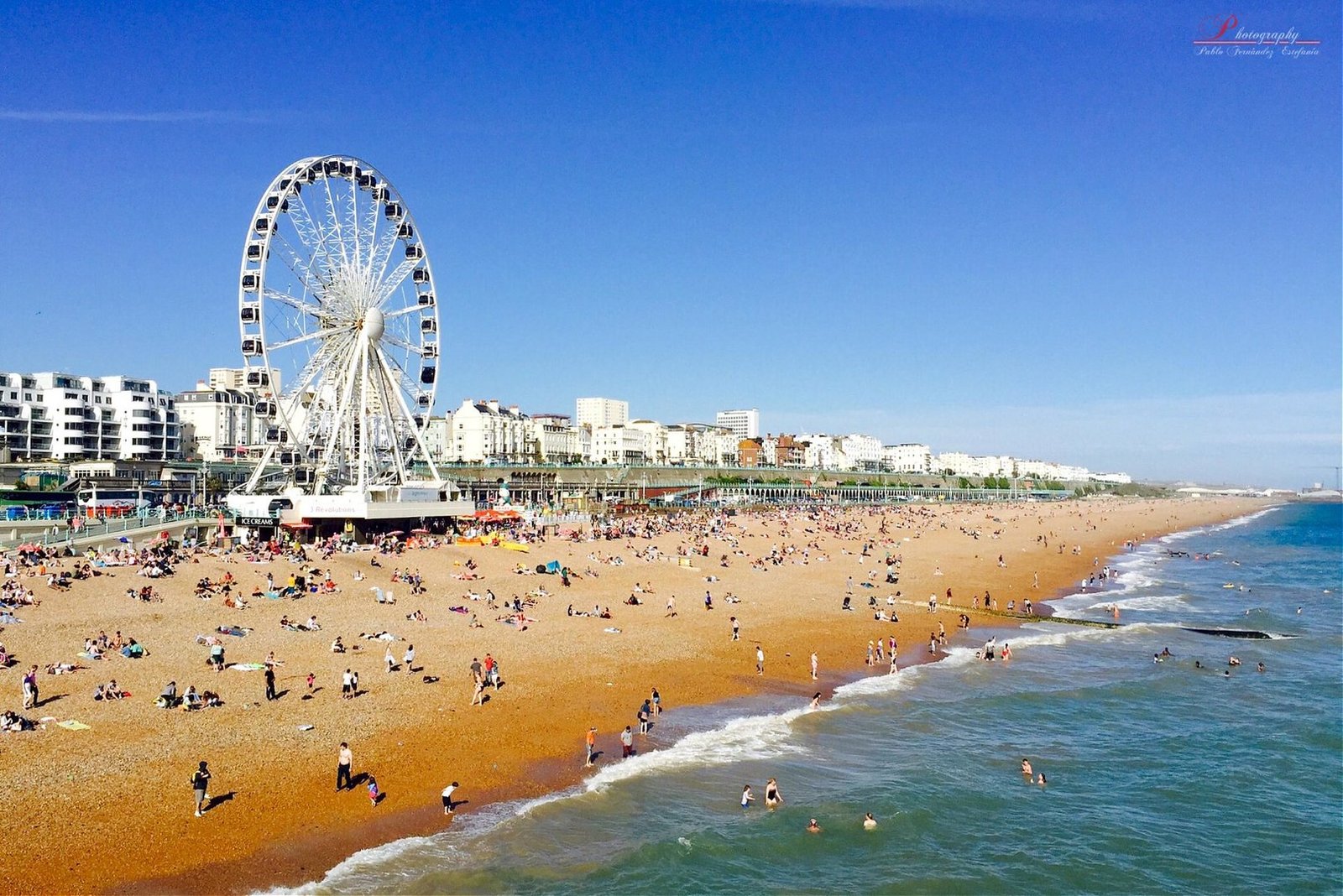
Let’s be real for a second. When you picture a classic British seaside getaway, chances are you’re imagining a lively promenade, the scent of saltwater and vinegar chips in the air, and a shoreline that isn’t golden sand but smooth, singing pebbles. That place exists, and it’s called brighton beach uk. This isn’t just another coastal strip; it’s a full-blown cultural icon on the south coast of England. Tucked between the famous Brighton Palace Pier and the understated charm of Hove, this pebble beach has welcomed day-trippers, artists, and families for over two centuries.
What makes this spot so special? For starters, it breaks every “tropical beach” stereotype with pride. You won’t find powdery sand here, but you will find a uniquely British energy—a chaotic, cheerful, and deeply charming vibe. The sound of the waves tumbling the flint pebbles is oddly therapeutic, and the views of the English Channel stretching toward France are genuinely breathtaking. Whether you’re a local grabbing a lunchtime deckchair or a tourist hunting for the perfect Instagram shot of the West Pier ruins, the brighton beach uk experience is one you’ll remember long after you’ve shaken the pebbles out of your shoes.
The Unforgettable Character of Brighton’s Shoreline
Forget everything you think you know about beach holidays. This coastline doesn’t try to be the Maldives, and that’s exactly why people adore it. The pebbles are large, smooth, and surprisingly comfortable once you settle into them—though you’ll definitely want a thick towel or a padded beach mat. The unique geology comes from the chalk cliffs of the South Downs, which have eroded over millennia to create this distinct shingle beach. On a sunny summer day, the entire shoreline glitters under the sun, and thousands of visitors spread out across the stones like a multicolored patchwork quilt.
What really sets this place apart is the sheer variety of things happening at once. Within a hundred meters, you can have a family building a pebble sculpture, a couple sipping prosecco from plastic glasses outside a beach bar, and a group of paddleboarders gliding past the iconic Victorian piers. The atmosphere is effortlessly inclusive. Gay Pride celebrations often spill onto the beach, drum circles form spontaneously near the Volks Electric Railway, and fishermen cast their lines into the channel regardless of the tide. This isn’t a curated tourist attraction; it’s a living, breathing slice of England.
Strolling the Iconic Promenade from Hove to the Palace Pier
One of the best free activities in the region is simply walking. The promenade stretches for miles, connecting Hove’s elegant lawns to the bustling heart of brighton beach uk and all the way to the crumbling skeleton of the West Pier. This walk gives you a front-row seat to the city’s soul. Start in Hove, where the beach is slightly quieter and the pebbles give way to more grassy areas. Here, you’ll see older couples reading newspapers on benches, yoga classes on the lawn, and a more refined, peaceful energy.
As you head east toward Brighton proper, the volume turns up. Street performers juggle fire near the i360 tower, rollerbladers weave through weekend crowds, and the smell of doughnuts and fried cod becomes irresistible. The promenade is wide enough to accommodate cyclists, walkers, and even the occasional vintage car rally. Don’t rush this journey. Stop at the many kiosks selling ice cream, grab a coffee from a mobile van, and watch the tide lap against the pebbles. The proximity of the South Downs National Park in the distance adds a green frame to the blue horizon, making every snapshot postcard-perfect.
The Historic Piers: Relics of Victorian Splendor
No discussion of this coastline is complete without honoring its two famous piers. The first is the Brighton Palace Pier, a fully operational amusement hub that has been entertaining crowds since 1899. Today, it’s a glorious throwback to seaside heydays, complete with arcade games, roller coasters, candy floss stalls, and a large food court. Walking onto the Palace Pier feels like stepping into a Wes Anderson film—bright colors, retro typography, and the constant clatter of two-pence coin machines. It’s touristy, yes, but it’s also genuinely fun. The end of the pier offers a wide viewing platform where you can watch the sun dip below the horizon while seagulls perform aerial acrobatics overhead.
Then there’s the West Pier, which tells a more hauntingly beautiful story. Opened in 1866 and closed in 1975, this pier has suffered fires and storms, leaving only a skeletal metal frame rising from the sea. Rather than demolish it, locals have embraced the ruin as an art installation and a symbol of nature reclaiming human ambition. From the brighton beach uk shoreline, the West Pier’s silhouette is one of the most photographed sights in southern England. At sunset, the orange and purple sky behind the twisted structure is utterly cinematic. Boat tours often circle the ruin, and it has become an accidental haven for marine life and nesting seabirds.
Eating and Drinking with Your Toes on the Pebbles
You haven’t truly experienced this coast until you’ve eaten fish and chips while sitting directly on the shingle. The good news is that the food scene here punches way above its weight. You can go ultra-casual with a paper-wrapped portion of haddock from a traditional chippy like Bardsley’s, or you can book a table at one of the many seafront restaurants serving contemporary British seafood. The catch of the day is almost always local: mackerel, plaice, Dover sole, and of course, the famous Brighton scallops.
For a more upmarket picnic, pop into the Brighton Beach UK Markets or any of the delis along the nearby Lanes. Grab a baguette, some Sussex cheese, a pot of chutney, and a bottle of fizz from a local vineyard like Ridgeview. Then spread your picnic blanket on the pebbles and watch the world go by. During summer evenings, the beach becomes one giant outdoor dining room. Fire pits are allowed on certain sections (check local rules), and groups gather for barbecues and singalongs. There’s also a growing number of permanent beachside cafes and bars like Fortune of War and The Tempest Inn, the latter of which features a bar inside a cave. Yes, an actual cave.
Water Sports and Activities for Every Energy Level
The English Channel may have a reputation for chilly water, but don’t let that scare you off. On a calm July afternoon, the temperature is perfectly refreshing for a paddle or a swim. Dedicated swimmers use the beach year-round, often sporting bright wetsuits and swim caps. The water quality has improved dramatically over the years, and you’ll see flags marking safe swimming zones. If you prefer to stay dry but active, consider paddleboarding or kayaking. Several rental shops along brighton beach uk offer equipment and even guided tours that take you past the West Pier and toward the marina.
For adrenaline junkies, the marina area is a hub for jet skiing, wakeboarding, and sailing. The Brighton Marina also offers deep-sea fishing trips where you can catch bass and mackerel. On land, the promenade is perfect for running, inline skating, or cycling. The Volks Electric Railway, the world’s oldest operating electric railway, chugs along the beachfront and is a delight for history buffs and kids alike. It runs from the Palace Pier to the marina and offers a slow, nostalgic way to see the shore without wearing out your legs.
Deckchairs, Huts, and the Art of Pebble Lounging
There’s something almost ceremonial about renting a deckchair on this beach. For a few pounds per day, you get a striped wooden chair that looks like it’s straight out of a 1950s holiday brochure. Settling into a deckchair with a novel and a flask of tea is a quintessential British experience. The chairs are managed by the local council and are available from spring through early autumn. They are placed in neat rows near the Palace Pier, but you can also find more isolated clusters if you walk farther west.
Beach huts are another beloved feature. These brightly painted wooden sheds have been passed down through families for generations. Some are modest lockers for storing chairs and buckets, while others are fully decked out with electricity, mini kitchens, and even sleeping lofts. Owning a beach hut on brighton beach uk is a status symbol and a lifestyle. If you can’t buy one (they rarely come on the market), you can rent them by the day. Spending an afternoon inside a hut, with the door open to the sea breeze and the radio playing softly, is pure joy. Bring a windbreaker though—the Channel breeze can be sneaky.
The Volks Electric Railway: A Ride Through History
You can’t write about this destination without dedicating a proper nod to the Volks Electric Railway. Opened in 1883 by inventor Magnus Volk, this narrow-gauge railway runs for just over a mile along the coastline from the Palace Pier to the marina. The original carriages are lovingly preserved, painted in warm cream and maroon, and the clackety ride offers unbeatable views of the pebbles and waves. It’s not fast, and that’s the point. The journey takes about fifteen minutes and feels like a gentle time machine.
What makes the Volks so special is that it’s still running on its original route, powered by electricity from overhead cables just like it was 140 years ago. Kids absolutely love it, but so do railway enthusiasts and anyone with a sense of whimsy. The volunteers and staff are passionate storytellers, happy to share tales of storms that threatened the tracks or famous passengers from the past. Combine a ride on the Volks with a walk back along the promenade, and you’ve got a perfect two-hour loop of seaside nostalgia.
Seasonal Magic: Summer Fireworks to Winter Storms
While most visitors flock here in July and August, each season paints a completely different portrait. Summer is loud, crowded, and festive. The brighton beach uk hosts the British Airways i360’s fireworks displays, live music on the beach, and open-air cinema nights. Children build elaborate pebble forts, and the water is just about warm enough for a proper swim. The energy is electric, and the sunsets are reliably spectacular. If you like people-watching, this is prime time.
Winter, however, has a stark beauty that seasoned travelers crave. On a crisp January morning, you might have the entire stretch of pebbles to yourself. The West Pier looks particularly dramatic against grey skies and white-capped waves. Locals bundle up in coats and scarves for bracing walks, and the cafes stay open serving hot chocolate and rum-laced coffees. Storms can be fierce, and watching the channel rage from the safety of a beachfront pub window is strangely cozy. Spring brings wildflowers to the nearby cliffs, and autumn offers golden light perfect for photography. There’s no bad time to visit; just pack accordingly.
Getting There, Parking, and Practical Tips
Reaching this famous shore is refreshingly simple. If you’re coming from London, direct trains from London Victoria or London Bridge take just under an hour to Brighton station. From there, it’s a pleasant ten-minute downhill walk to the seafront. National Express coaches also run frequently and drop you near the pier. Driving is possible, but parking near the coastline is expensive and scarce. Your best bet is the Regency Square car park or the Marina car park, both within walking distance. On summer weekends, arrive before 10 AM to secure a spot.
Once you arrive, here are some insider tips. Bring water shoes if you plan to swim—the pebbles can be sharp on bare feet. Pack sunscreen even on cloudy days; the sea reflection is intense. Use the public toilets near the pier (they cost a small coin, so keep change handy). Don’t feed the seagulls unless you want a full-scale aerial assault on your sandwich. And finally, respect the pebbles: don’t throw them, and definitely don’t take them home. The beach needs every stone to protect against erosion. Follow these simple rules, and you’ll have a flawless day out.
Beyond the Beach: The Lanes, North Laine, and Nightlife
While the pebbles are the main attraction, the surrounding neighborhoods amplify the experience. Just a few blocks inland from brighton beach uk, you’ll find The Lanes—a labyrinth of narrow alleyways packed with antique shops, jewelry boutiques, and cozy pubs. This area was once a fishing village, and you can still feel that old-world charm. Spend an afternoon getting lost here. You’ll stumble upon hidden courtyards, independent chocolatiers, and street musicians playing jazz.
Then there’s North Laine (note the different spelling), which is bohemian, quirky, and unapologetically alternative. Vintage clothing stores, vegan cafes, record shops, and tattoo parlors line every street. The contrast between the traditional seaside promenade and North Laine’s punk energy is what makes Brighton so special. As night falls, the beach itself becomes a nightlife venue. The Arch and The Tempest Inn host DJs and parties inside the vaulted chambers beneath the promenade. You can dance until 3 AM, then walk outside to see the moon reflecting off the channel. Not many places offer that.
Family Fun and Kid-Friendly Activities
Traveling with little ones? This destination is a dream for children, as long as you manage expectations about sand (there isn’t any, but pebbles are fun in their own way). Toddlers love the SEA LIFE Brighton aquarium, which is right on the seafront and houses one of the oldest operating aquariums in the world. Sharks, turtles, and seahorses are big hits. The Palace Pier’s amusement arcade will keep older kids busy for hours, and the small roller coaster offers just enough thrill without being terrifying.
The Volks Electric Railway is a guaranteed smile-maker for train-obsessed youngsters. And the beach itself provides endless creative play: pebble stacking, rockpooling near the groynes (look for tiny crabs and shrimps), and flying kites in the steady sea breeze. Family-friendly cafes along the promenade offer kids’ meals and high chairs. Plus, the water is shallow near the shore, so paddling is safe for little legs. Just be vigilant with the tides and always check the lifeguard flags during summer months.
Environmental Efforts and Responsible Tourism
This beloved shoreline faces the same pressures as any popular natural attraction: litter, erosion, and disturbance to wildlife. The good news is that local groups and the city council have made massive strides in recent years. You’ll notice recycling bins every few hundred meters, and many cafes have switched to compostable packaging. Monthly beach cleans are organized by the Brighton Beach UKRangers, and visitors are welcome to join. If you’re visiting, do your part: take all rubbish home, avoid single-use plastics, and stay off the vegetated shingle areas where rare plants like sea kale and yellow horned poppy grow.
The birdlife is also worth protecting. During nesting season, ground-nesting birds like ringed plovers use the upper beach areas. Keep dogs on leads where signs indicate, and give wildlife plenty of space. Sustainable tourism isn’t a buzzword here; it’s a necessity. By being a responsible visitor to brighton beach uk, you help ensure that future generations can also enjoy its peculiar, pebbly magic. Consider donating to the Brighton Beach UK Restoration Fund or simply pick up a few extra pieces of litter on your way out. Every little action matters.
Where to Stay: Seafront Hotels to Cozy B&Bs
Accommodation options range from opulent to eccentric, and many offer direct views of the channel. The Grand Brighton is the historic heavyweight—a stunning Victorian hotel with a white facade that looks like a royal palace. Staying here puts you right on the seafront, with rooms overlooking the pier and the i360. It’s expensive but worth it for a special occasion. For mid-range options, look at the seafront guesthouses between the pier and Hove. Many are converted townhouses with breakfast included and friendly, family-run vibes.
Budget travelers aren’t left out. Several hostels, including the well-regarded St Christopher’s Inn, are within a five-minute walk of the beach. Airbnb rentals abound, from compact studio flats to entire Regency townhouses. For a truly unique stay, book a night in a beach hut—yes, some have been upgraded with sleeping lofts and heating. They are tiny but unforgettable. No matter where you lay your head, try to book well in advance for summer weekends. Brighton hosts conferences, festivals, and Pride, which can fill up hotels months ahead.
A Photographer’s Guide to Capturing the Perfect Shot
If you’re carrying a camera (or even just a smartphone), you’ll find endless inspiration. The classic shot is the West Pier at sunset. Position yourself on the main beach near the Palace Pier, use a telephoto lens to zoom in on the ruined structure, and wait for the golden hour. The colors shift from gold to pink to deep purple within minutes. For a more abstract image, get low to the pebbles and focus on the textures—the way a single smooth stone holds water droplets or the pattern of seaweed washed ashore.
Another pro tip: shoot from the end of the Palace Pier looking west. The i360 tower and the curve of the promenade create strong leading lines. On stormy days, switch to black and white. The drama of crashing waves against the pebbles and the dark sky makes for moody fine art prints. For street photography, the promenade on a Saturday afternoon is a goldmine. Capture the candy floss vendors, the laughing couples on deckchairs, the serious chess players near Hove. And don’t forget the classic “Brighton” sign near the i360. It’s touristy, but it’s also a tradition.
Accessibility on the Pebble Beach
One common question is whether this beach is accessible for those with mobility challenges. The honest answer is that pebbles are difficult for wheelchairs and walkers. However, the promenade is fully paved, flat, and wheelchair accessible. Many visitors with limited mobility enjoy the spectacular views from the promenade, the deckchair areas, and the accessible cafes. There are also mobility scooter rentals available near the pier. For getting onto the pebbles themselves, several beach-friendly wheelchair mats are deployed during summer, allowing easier access to the shoreline.
The Palace Pier is fully accessible via ramps. The Volks Electric Railway has step-free access on some carriages, but check ahead. Public toilets include accessible facilities. The i360 tower is brilliantly designed for wheelchairs, with a smooth boarding process and panoramic views. If you need a quiet moment, head to the Hove lawns area, which is less crowded and offers benches with sea views. Local taxi firms have accessible vehicles. So while the pebbles themselves pose a challenge, everything surrounding brighton beach uk strives to welcome everyone.
Conclusion
In a world of identical tropical resorts and cookie-cutter beach clubs, brighton beach uk stands gloriously alone. It doesn’t apologize for its pebbles, its chilly water, or its raucous crowds. Instead, it celebrates everything that makes a British seaside holiday unique: the fish and chips, the striped deckchairs, the vintage railway, the ruined pier, and the endless, soul-lifting view of the English Channel. Whether you’re visiting for a day trip from London or a week-long summer holiday, you’ll leave with pebbles in your pockets, salt on your skin, and a newfound appreciation for unconventional beauty.
So pack a thick towel, bring a sense of humor, and come as you are. Walk the promenade, ride the Volk’s Railway, eat too many doughnuts, and dip your toes in the channel. Sit on those pebbles as the sun sets and watch the pier lights flicker on. This isn’t just a beach. It’s a feeling. And once you’ve experienced it, you’ll understand why millions return year after year.
Frequently Asked Questions (FAQ)
Is Brighton Beach UK actually sandy or all pebbles?
The vast majority of brighton beach uk is made of smooth flint pebbles. There is no natural golden sand. However, at low tide, patches of hard-packed sand are exposed near the water’s edge. For a sandy alternative, nearby beaches like Hove Beach have more sand, but Brighton’s main shoreline is famous for its pebbles. Many visitors bring padded mats or inflatable loungers for comfort.
Can you swim safely at Brighton Beach UK?
Yes, swimming is allowed and popular during the summer months. The water quality is generally rated as good by the Environment Agency, and lifeguards patrol designated zones between May and September. Be aware of rip currents near the piers and always swim between the red and yellow flags. The water temperature peaks at around 17–18°C (63–64°F) in August, so a wetsuit is recommended for longer swims.
How far is Brighton Beach UK from London by train?
Direct trains from London Victoria or London Bridge to Brighton station take approximately 50–60 minutes. Trains run frequently, often every fifteen to twenty minutes. From Brighton station, it is a pleasant ten-minute downhill walk to the seafront. This easy access makes it one of the most popular day trips from the capital.
Are dogs allowed on Brighton Beach UK all year round?
Dog restrictions apply between May 1st and September 30th. During these months, dogs are banned from the central beach area between the Palace Pier and the i360 tower. However, dogs are welcome on the western parts of the beach near Hove and on the eastern side past the marina. From October 1st to April 30th, dogs are allowed on all sections of the beach. Always clean up after your pet and check local signage.
What should I pack for a day at Brighton Beach UK?
Comfortable walking shoes for the promenade, water shoes for swimming (pebbles can be sharp), a thick towel or padded beach mat, sunscreen, a windbreaker jacket (the channel breeze is persistent), cash for deckchair rental and arcade games, and a reusable water bottle. Don’t forget your camera for the West Pier sunset shots. Avoid bringing flimsy picnic blankets, as pebbles will poke right through.
You May Also Read
If you enjoyed this guide, you might find these articles helpful for planning more UK coastal adventures:
- Seven Sisters Cliffs Walk: A Hiker’s Guide to the White Chalk Giants
- Best Seaside Towns in England Beyond the Tourist Trail
- How to Spend a Perfect Weekend in Brighton: Food, Art, and Coast
- The Complete Guide to the South Downs National Park
- Vintage Seaside Piers of Britain: History and Where to Find Them